
Green Gold: Unveiling the Secrets of Harvesting and Processing
In this blog, I will unveil my secrets (but not all the secrets 😜) to harvesting and processing Kawakawa.
Discover how I incorporate this potent herbal ingredient into all of my skincare products.
Kawakawa leaves, scientifically known as Macropiper excelsum, are renowned for their aromatic and medicinal properties. These leaves, native to New Zealand, have long been used by the Māori people for their various health benefits.
>Last Updated on 23/05/2026
Harvesting Kawakawa
In the picturesque region of the Marlborough Sounds, located in the northeastern part of the South Island of New Zealand.
I find myself immersed in the ancient art of harvesting Kawakawa.
This sacred practice holds a special place in my heart as I handpick each precious leaf.
Before embarking on this journey, I prepare myself by offering karakia, heartfelt prayers that honour the plant and its bountiful gifts.
In this act, I express my deep gratitude for the abundance bestowed upon us by nature and acknowledge the profound spiritual connection we share with the natural world.
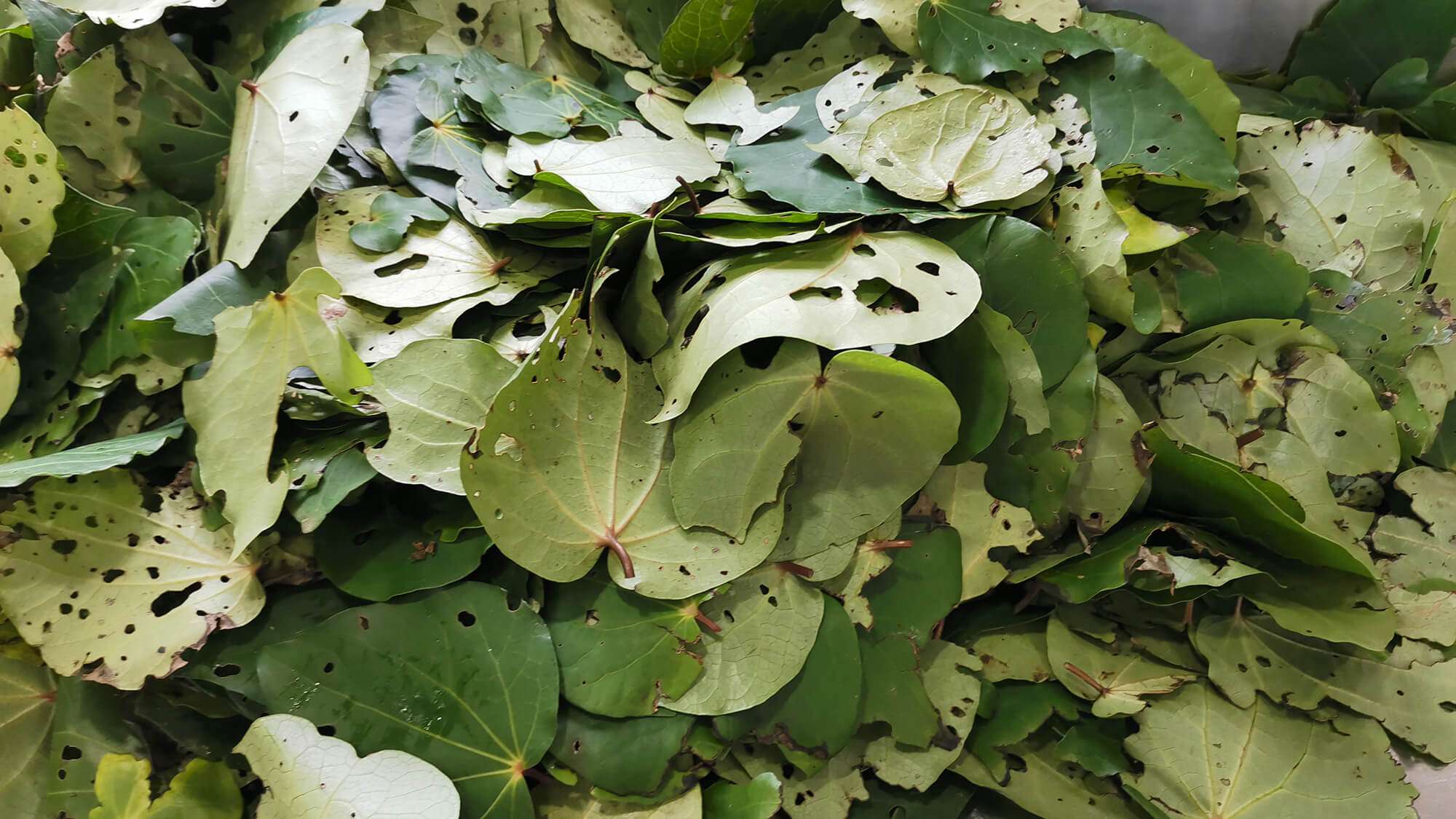
Each leaf is carefully selected, with a focus on those that have the most holes, as these are considered ideal.

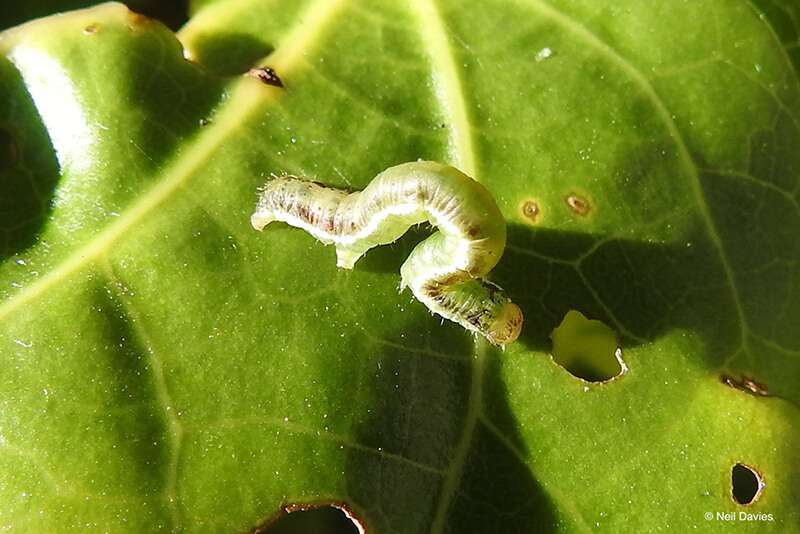
The presence of holes in Kawakawa leaves indicates that Kawakawa looper caterpillars have nibbled on them since they find them the tastiest.
The presence of holes in Kawakawa leaves indicates that Kawakawa looper caterpillars have nibbled on them since they find them the tastiest.
The Kawakawa looper caterpillar, also known as Cleora scriptaria, is a caterpillar that feeds on Kawakawa leaves.
The life of a Kawakawa looper caterpillar begins as eggs are laid on Kawakawa leaves.
After hatching, the caterpillars feed on the leaves, creating holes as they grow.
They moult several times before entering the pupal stage, where they transform inside a cocoon.
Eventually, they emerge as adult moths and lay eggs, completing their life cycle.

As a result, I believe the leaves with holes have higher concentrations of these medicinal compounds, making them more potent.
These holes may trigger a defence mechanism in the plant, leading to increased production of beneficial compounds such as essential oils.
After harvesting, the Kawakawa leaves are washed with cold water to eliminate any traces of dirt, pollen, or insects.
Drying Kawakawa leaves
Kawakawa leaves are carefully dried to remove moisture.
Drying the leaves helps prevent water from entering any infusion, improving stability while still allowing the beneficial compounds and natural oils within the leaves to infuse into the carrier oil.
These dried Kawakawa leaves are hand crushed and used in Kawakawa Bath Salts.
Infusing Kawakawa Leaves in Oil
I infuse Kawakawa in three types of oil: Olive Oil, Coconut Oil, and Sweet Almond Oil.
Kawakawa-infused Olive Oil
Olive Oil, is an oil renowned for its mild flavour, richness, and numerous health benefits. This classic and versatile oil serves as an excellent base for the infusion, effectively absorbing the aromatic and medicinal compounds of the Kawakawa leaves.
Kawakawa-infused Olive Oil can be found in the following products:
Healing Balm, all Soaps, Lotions, Lip Balms, and Hebe Conditioner Bar.
Kawakawa-infused Coconut Oil
Coconut Oil takes centre stage as an ideal carrier for the infusion. Prized for its exotic aroma and nourishing qualities, Coconut Oil provides a luscious and fragrant medium for the Kawakawa infusion.
Kawakawa-infused Coconut Oil can be found in the following products:
Bath Bombs, Body Butter, Lotions, Deodorant, Shampoo Bars, Conditioner Bars, Shave Bars, and Lip Balms.
Kawakawa-infused Sweet Almond Oil
Sweet Almond Oil offers a delicate nutty fragrance and nurturing properties to the infusion process. Sweet Almond Oil, cherished for its moisturising and skin-enhancing attributes, provides a gentle and soothing base for the Kawakawa infusion.
Kawakawa-infused Sweet Almond Oil can be found in the following product:
The Infusion Process
Once dried, the Kawakawa leaves are packed into slow cookers, which are ideal for this purpose due to their low and consistent heat settings.
The slow cooker provides a controlled environment that allows for a gradual extraction of the beneficial constituents present in the leaves.
By maintaining a low temperature over an extended period, the slow cooker preserves the delicate compounds, ensuring their maximum retention and potency.
I am currently running 12 slow cookers and have been 24/7 for the past 6 years.
Kawakawa leaves are then covered with one of the three oils I use; Olive, Coconut or Sweet Almond.
Slow cookers are then set to “Keep Warm” and the infusion process can begin.
The slow cooking process plays a crucial role in unlocking the therapeutic properties of the Kawakawa leaves.
The low heat gently encourages the release of volatile oils, flavonoids, and other phytochemicals, which possess numerous health-promoting properties.
These compounds are responsible for the distinct aroma of Kawakawa and are believed to have anti-inflammatory, analgesic, and antimicrobial effects.
As the slow cooker operates, the Kawakawa leaves release their beneficial constituents into the oil, creating a potent infusion.
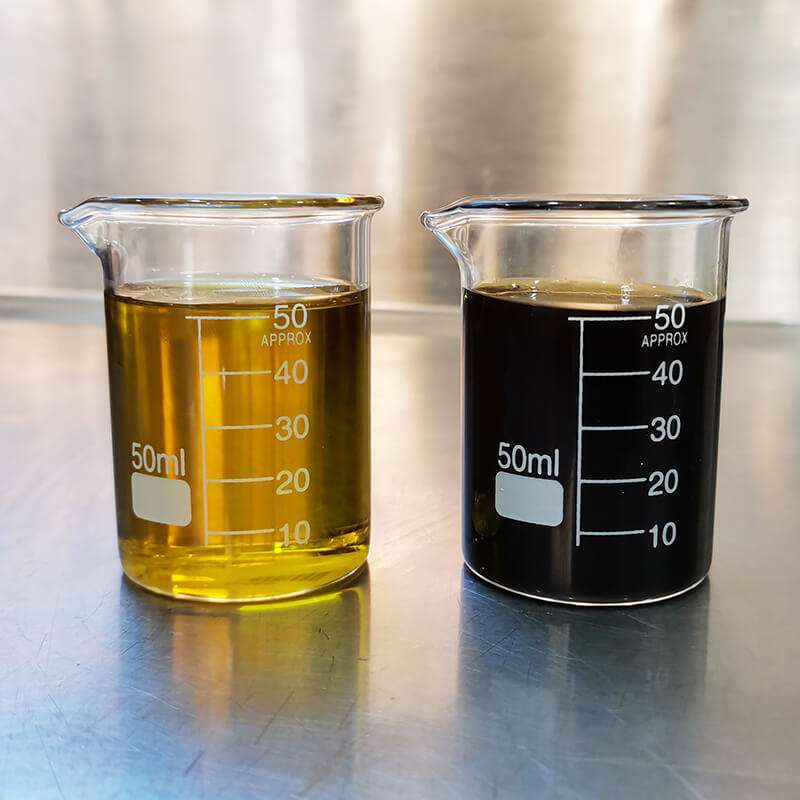
Once the oil develops a rich earthy Kawakawa aroma and distinctive dark green colour, it is ready.
This process takes a minimum of four weeks.


Extracting the Kawakawa-infused Oil
After the infusion period, the Kawakawa-infused oil is ready for extraction.
An olive press, a specialised device commonly used for extracting oil from olives, is employed for this purpose.
The infused oil mixture is carefully transferred to the olive press, which exerts pressure to extract the oil from the leaf and plant matter.

The olive press applies a gentle and consistent force to the oil mixture, effectively separating the infused oil from any remaining plant material.
This process ensures that the resulting oil is clear, smooth, and free from any impurities or solid particles.
The use of an olive press guarantees the maximum extraction of the beneficial compounds from the Kawakawa leaves, resulting in a highly concentrated and potently infused oil.
Kawakawa-infused oils are then stored in the fridge until used.

Kawakawa Leaf Powder
Once the Kawakawa leaves have undergone the drying process, they are ready to be transformed into a finely ground powder. To achieve this, I use an electric spice grinder.
Kawakawa leaves are hand-crushed and loosely packed into the grinder bowl. The grinder’s lid is securely fastened, and the grinding begins. This only takes a few seconds to turn it into a super fine powder.
Once the grinding process is complete, the spice grinder is carefully opened, revealing the transformation of the dried Kawakawa leaves into a vibrant green powder. The finely ground Kawakawa powder is then transferred into an airtight container to protect it from exposure to light, air, and moisture.

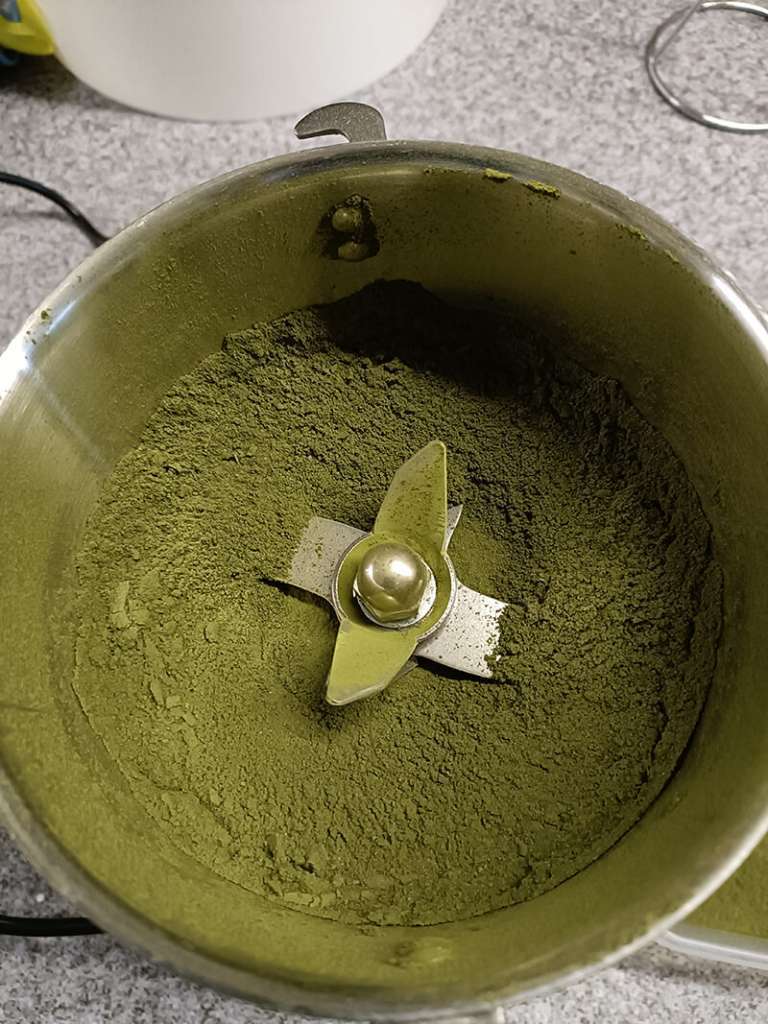
This fine powder is used in Kawakawa Lavender Bath Bombs.
Kawakawa-infused Vegetable Glycerine
Dried Kawakawa leaves are and loosely packed in a slow cooker which is filled up with vegetable glycerine and then kept warm to infuse for a minimum of four weeks.
Glycerine, derived from plant sources, acts as a solvent, effectively drawing out the medicinal properties of the Kawakawa leaves.
Once the infusion is complete, the Kawakawa leaves are strained, and the glycerine finds its chilled sanctuary in an airtight jar in the fridge.
Kawakawa Infused Vegetable Glycerine is used in Kowhai Shampoo and Conditioner Bars, and Shave Bars.
Some might say good things take time!
Patience is indeed a vital virtue when it comes to the art of infusions. While patience is not my strongest suit I have developed a strategy to ensure a steady supply of infusions.
Enter my trusty arsenal of slow cookers, diligently fulfilling their role in expediting the infusion process without compromising the quality or potency of the final product.
Ah, yes, these glorious contraptions are the saviours of my impatient heart. While others may twiddle their thumbs and anxiously await the completion of their infusions, I simply load up my trusty slow cookers and let them do the work.
It’s like having a team of tiny, patient chefs tirelessly labouring away while I indulge in some much-needed relaxation or engage in wildly enthusiastic solo dance parties. Don’t judge; impatience can be quite the catalyst for spontaneous moves!
Have any questions regarding this blog? Feel free to ask them in the comments section below.
Everyone loves what you guys are usually up too. This type of clever work and coverage!
Keep up the superb works guys I’ve incorporated you guys to my blogroll.
Thank you so much for sharing your process. So very grateful. X